Fabric: Understanding the Material That Shapes Our Everyday Lives
Fabric
Introduction
One of those items we use without considering, is fabric. It can be the shirt on your back, the sheets you sleep on, the towel you use after showering, and the curtains you use to dim the light in your living room. We use it everyday, right from the moment we get up, but few of us ever take the time to think about what fabric is or how it became so unobtrusive to everyday life.
I’ve always been fascinated with fabrics as a combination of craft and science. Starting from the first people twisting plant fibers into thread, the same piece of cloth is the result of centuries of human ingenuity, from the mill producing high-tech materials. Here, I will discuss the nature of fabric, some of the common classes of fabric, how fabric is made, and how to select and use it. At the end, I hope you’ll take a little more pride in your cloth.
1. What Fabric Is Really Made Of
Fabric is a pliable material created the joining of fibers or yarns. They can be plant, animal, mineral or lab sources, and how they are mixed determines the look and feel of the resulting cloth. It has a very wide spectrum, from crinkle burlap sack to the softest silk scarf.
Fabric is versatile because it begins with a single fibre and expands into fabric that can be used. The thread is made from thousands of tiny strands, then the thread is woven, knitted or pressed into the cloth that we know. The essence of fabric is from the very small to the practical.
2. Natural Fibers
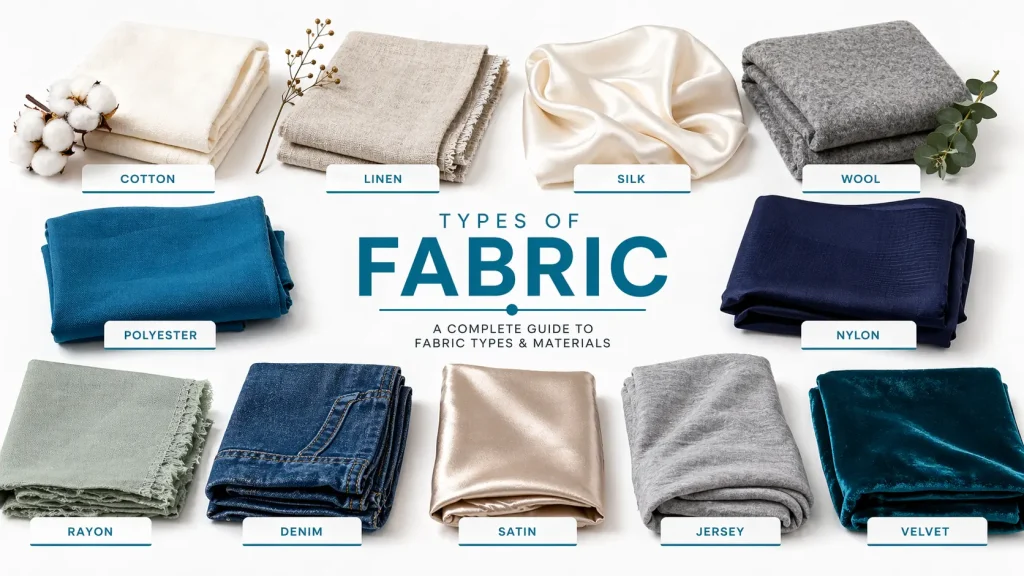
Natural fibres are fibres that are directly extracted from the ground, either through cultivation or animal farming. The most common is probably cotton. It is soft, breathable, easy to wash, and therefore is in command of all from t-shirts to bed sheets. It’s a favorite among people because of how it feels against the skin and its everyday use.
Another classic is wool, derived from sheep and others. It provides warmth, wicks moisture away and is naturally springy helps clothes retain their shape. The flax plant is the source of linen, which is valued for its coolness in hot weather, though it tends to be wrinkled. Silk, which is made by the silkworm, continues to be considered luxury material for its softness and lightness.
Natural fibers appealing because they are good breathers and feel good. However, they may need more attention, care and sometimes be more expensive than their synthetic counterparts.
3. Synthetic Fibers
Synthetic fabrics are chemically manufactured and aren’t made on a farm. Polyester is the big one, seen in clothes, bedding and many other products. It’s easy to use, wrinkle resistant, and dries easily, making it convenient for an active lifestyle. Another good contender is nylon, frequently employed in sportswear, stockings, and items that are subjected to stress.
There are others, too, such as acrylic (which looks like wool) and spandex (which provides the stretch we have in leggings and snug-fitting shirts, for example). Synthetics have the greatest advantage of being sturdy and easy to maintain. They tend to endure longer with harsh usage and are less expensive to manufacture. There are drawbacks, though; they might not breathe as effectively as natural fibers, and they pose actual problems with plastic waste and the environment.
4. Blended Fabrics
Many clothes in your wardrobe are not of one type or another. Blended fabrics are combinations of fibers that are a mix of the best. One example is a cotton/polyester blend, which has the softness and breathability of cotton and the durability and wrinkle resistance of polyester.
The trick to blending is that it allows manufacturers to tailor a fabric to a particular use. Looking for a shirt that is natural and not in need of ironing? A mixture can do that. Looking for a pair of jeans with some length? Just a bit of spandex to the cotton. These are all around us when we look at the clothing tags, and is the reason that many modern clothes feel comfortable and last a good year.
5. How Fabric Is Made
There are a couple of important steps from fiber to finished cloth. One, fibres are twisted into yarn – the small fibres are twisted together to make a strong fibre suitable for use. That yarn is then woven into cloth using one of a number of techniques.
Weaving is most traditional method by which the threads are interlaced at right-angles on a loom to create a sturdy cloth. Knits creates loops, thus making knitted fabrics stretchy and soft like your favourite sweater. There are also other non-woven techniques, in which fibers are simply joined together, like felt or some disposable items. Once the fabric is created, many times the fabric is dyed, printed or processed to provide a color, design, or an added feature such as waterproofing.
6. Selecting the Appropriate Fabric
The choice of fabric is dependent on the requirements for that particular use. When it comes summer, breathable natural fibers such as cotton or linen are the winners. Synthetics or blends generally are more appropriate for activewear that must wick sweat and endure strenuous activities.
There are three things I always advise consider: comfort, durability, and care. How will it feel? For how many hours?For how many hours will last? And how much effort will it require to maintain cleanliness? A silky fabric may feel like a dream in your hands, but it may require a great deal of care while handling it, while a cotton/polyester mix can look plain, yet be extremely easy to deal with. When choosing what fabrics to buy, you’ll save money and frustration in the long run if they match your actual needs.
7. Take Care of Your Fabrics
Careful handling ensure that fabric looks and feels its best for years. The easiest thing to do is to read the care label, as the manufacturers know what their material is capable of. However, natural fibers may require more gentle treatment and lower temperatures and heat to prevent shrinking damage. The synthetics generally are machine-washing friendly, but they can become more fragile when exposed to high heat, which can cause the fibers to become warped or melted.
Properly storing fabric also important. The folding of knitted items instead of hanging will prevent them from stretching and storing clothes away from damp, dark spots will prevent mildew. With some extra care, you can extend the life your beloved items.
Conclusion
Fabric is so much more than the background material in our lives. It has been created over thousands of years by man, combining natural materials and modern technology in something we rely on daily. Whether you’re wearing cotton in your shirt or polyester in your jacket, there’s something special about each type and its applications.
After you’ve got the hang of fabric, selecting and maintaining is easy, and you begin seeing the intelligent fabric design that surrounds you. The next time you slip into a comfortable sweater or sit up on soft sheets, you may well value the quiet craftsmanship that produced it.
Read More: Hb Seo Service